About
Enterprise AI strategist. Twenty years turning delivery scars into systems.
I'm Brian Matthews, an enterprise AI strategist focused on how artificial intelligence changes the way software actually gets delivered, not just written.
From radar to release
Before software, I worked in the tower. Air traffic control. Two views on the same airspace.
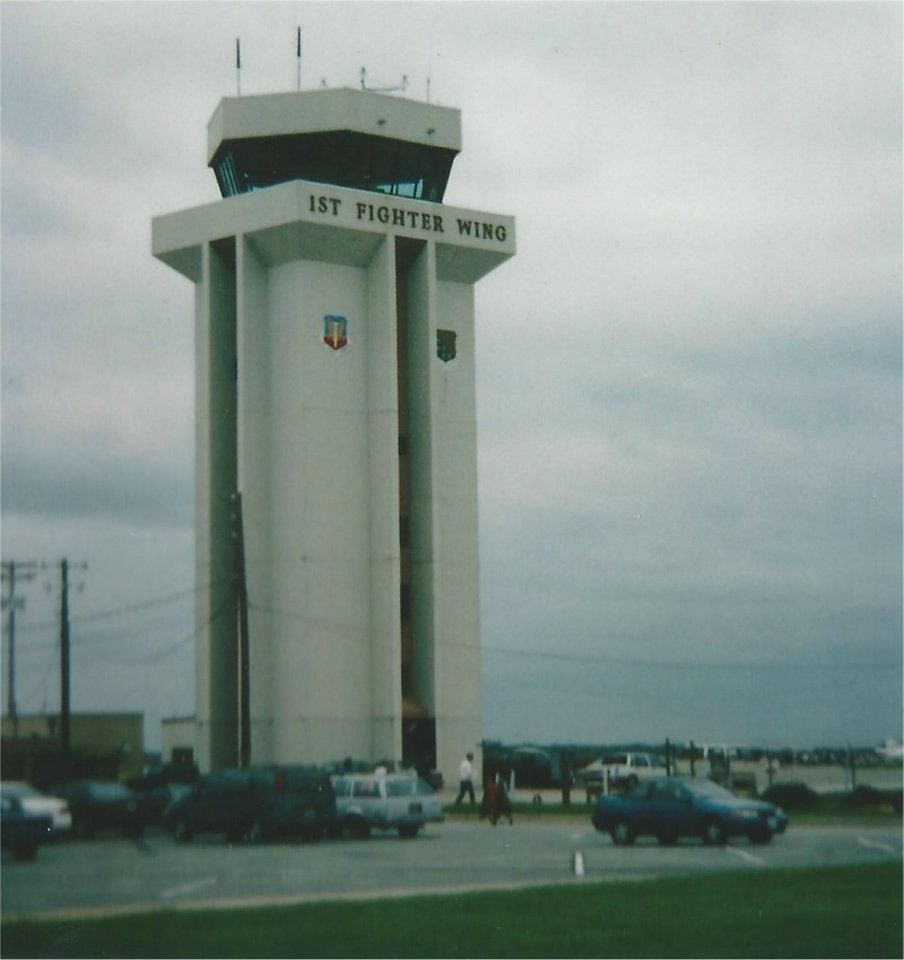
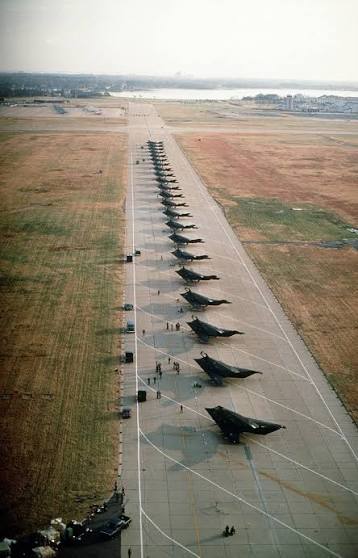
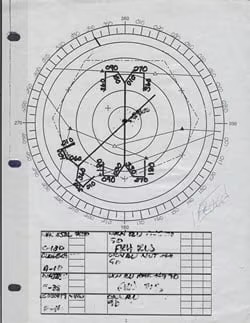
Out the tower windows, I could see the aircraft on my ramp, on my runways, close enough to identify by sight. That view was immediate and direct.
Down on the scope beside me, the radar showed everything else. Inbounds still ten miles out. Cross-traffic climbing through my sector. Aircraft I couldn't see through the glass but had to hold in my head anyway.
You need both. The window tells you what's directly in front of you. The radar tells you what's already coming, and what's already yours to manage even though you can't see it yet. Controllers who only trusted their eyes missed the inbounds. Controllers who only trusted the scope missed what was already on final. Losing either view was how mistakes happened.
That work taught me something about coordination under load that stayed with me long after I left the tower. Most systems that fail don't fail because someone can't do their job. They fail because someone was working from only one view: their own immediate work, their own team. The collisions happen in the airspace they weren't looking at.
That's what enterprise software delivery feels like today. Every team has its window. Jira, GitHub, their own tickets, their own sprint. Nobody has the radar. Ten agents and forty humans, each working their piece, none of them holding the whole airspace at once. When it breaks, it breaks in the gaps between the windows.
Synapse is what I would have built if I could have taken the tower with me into enterprise work. It gives you both views: the window for what your team is doing right now, and the radar for everything you can't see but are still responsible for. One shared picture, and a coordination layer that catches conflicts before they land in production.
That's why the home page looks like a radar screen. It isn't decoration. It's the half of the job that most enterprise teams don't have yet.
Twenty years of delivery
For two decades I've worked in enterprise Salesforce delivery: the messy, high-stakes middle where business intent meets production systems. That work taught me something the current AI conversation mostly misses. Software projects rarely fail because developers can't code. They fail because organizations struggle to coordinate delivery, preserve knowledge, and keep execution aligned with intent.
Some of what came before
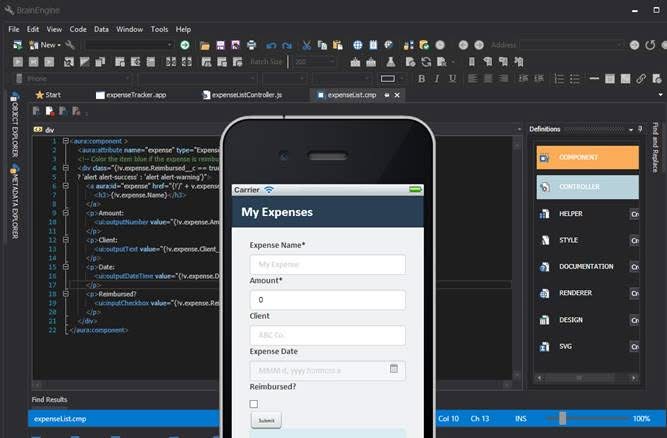
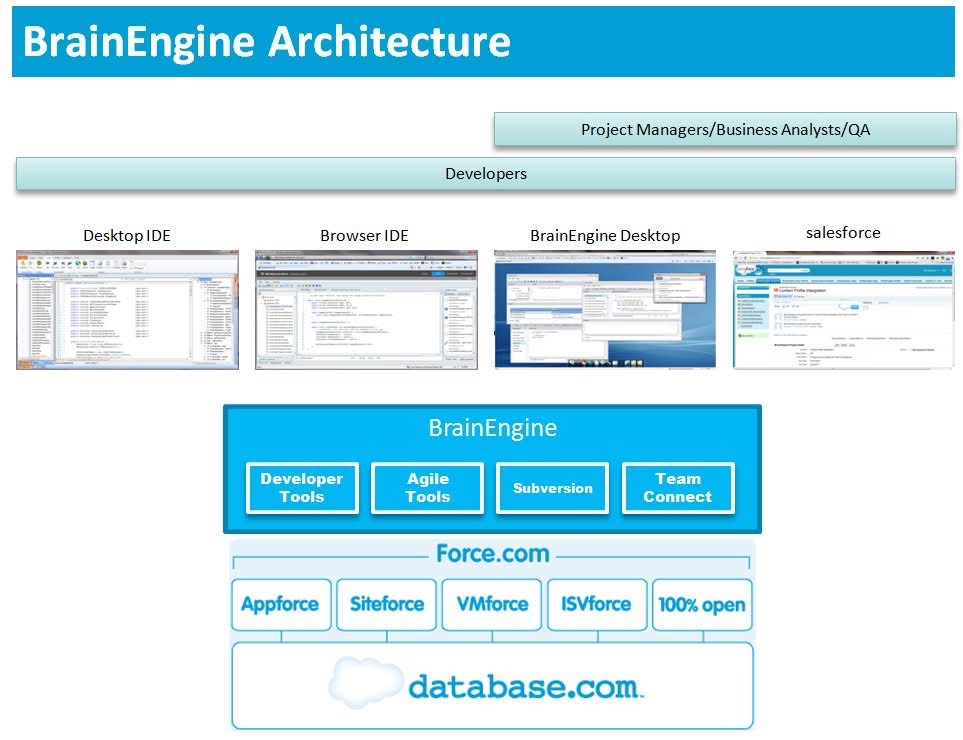
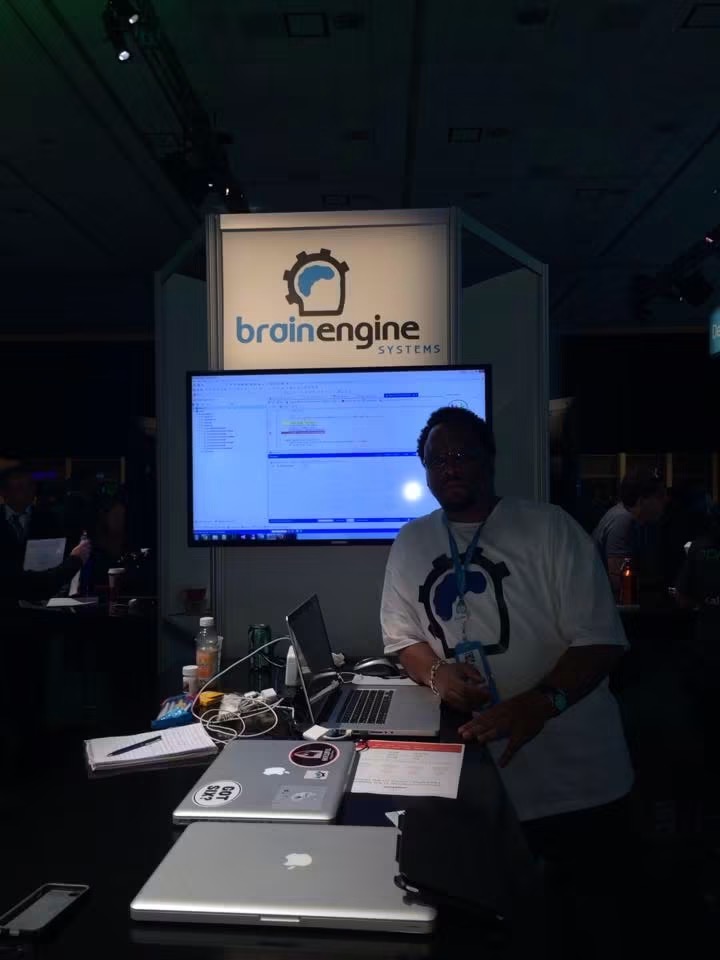
I built BrainEngine, the first third-party IDE for Salesforce development, used by teams around the world. It shipped in desktop and browser editions with source control, agile tooling, and team collaboration built in. It gave Salesforce developers something the platform itself didn't have yet.
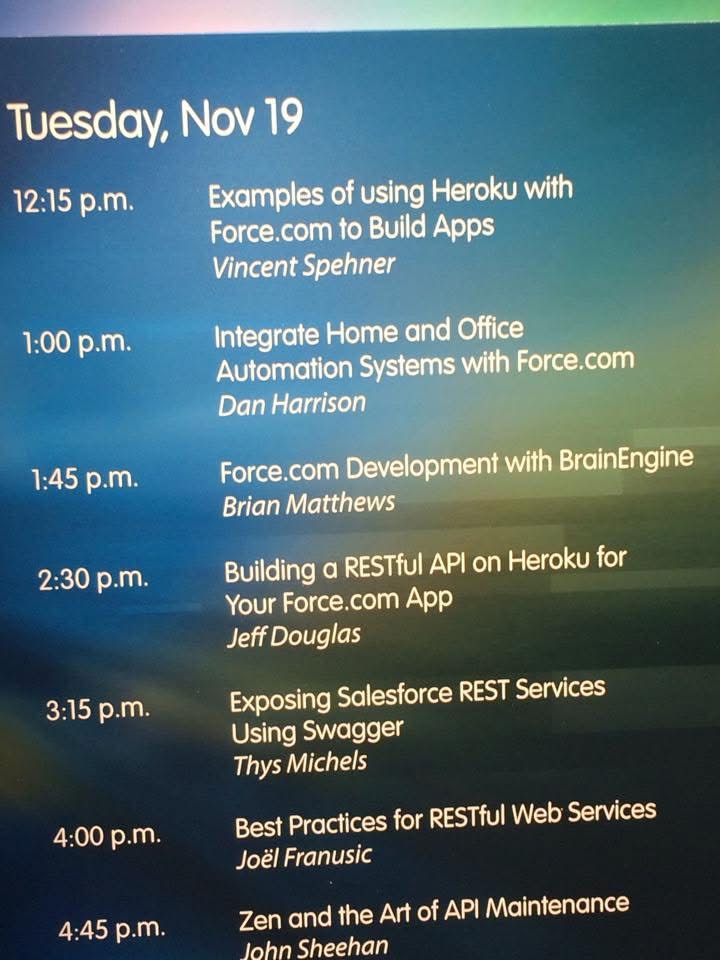
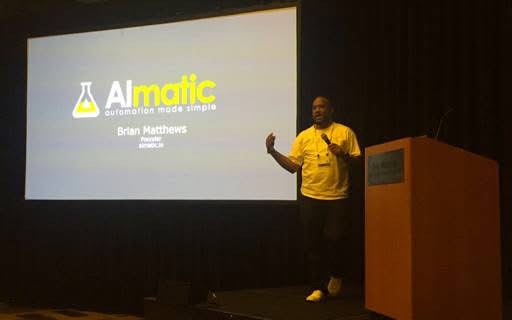
I spoke at Dreamforce multiple times, at Salesforce developer events, and at HP's AI conference on automation and applied intelligence.
The pattern was already there. Coordination, tooling, and systems that let people work at the layer above the code. That's still the work.
What I'm researching now
I'm exploring how AI can close those gaps. That means a system of intelligence, the layer that connects intent to outcome. It means organizational memory, capturing context as it happens and compounding it into knowledge. And it means agent coordination: an Enterprise Nervous System that keeps agents, humans, and systems flowing together.
The throughline is a shift I call moving beyond vibe coding, toward vibe delivery. Making delivery itself fluent.
Elsewhere
I write essays under Thinking, share talks and conversations, and build in the open under Projects.
For essays on AI-powered enterprise delivery, use Subscribe in the navigation.